
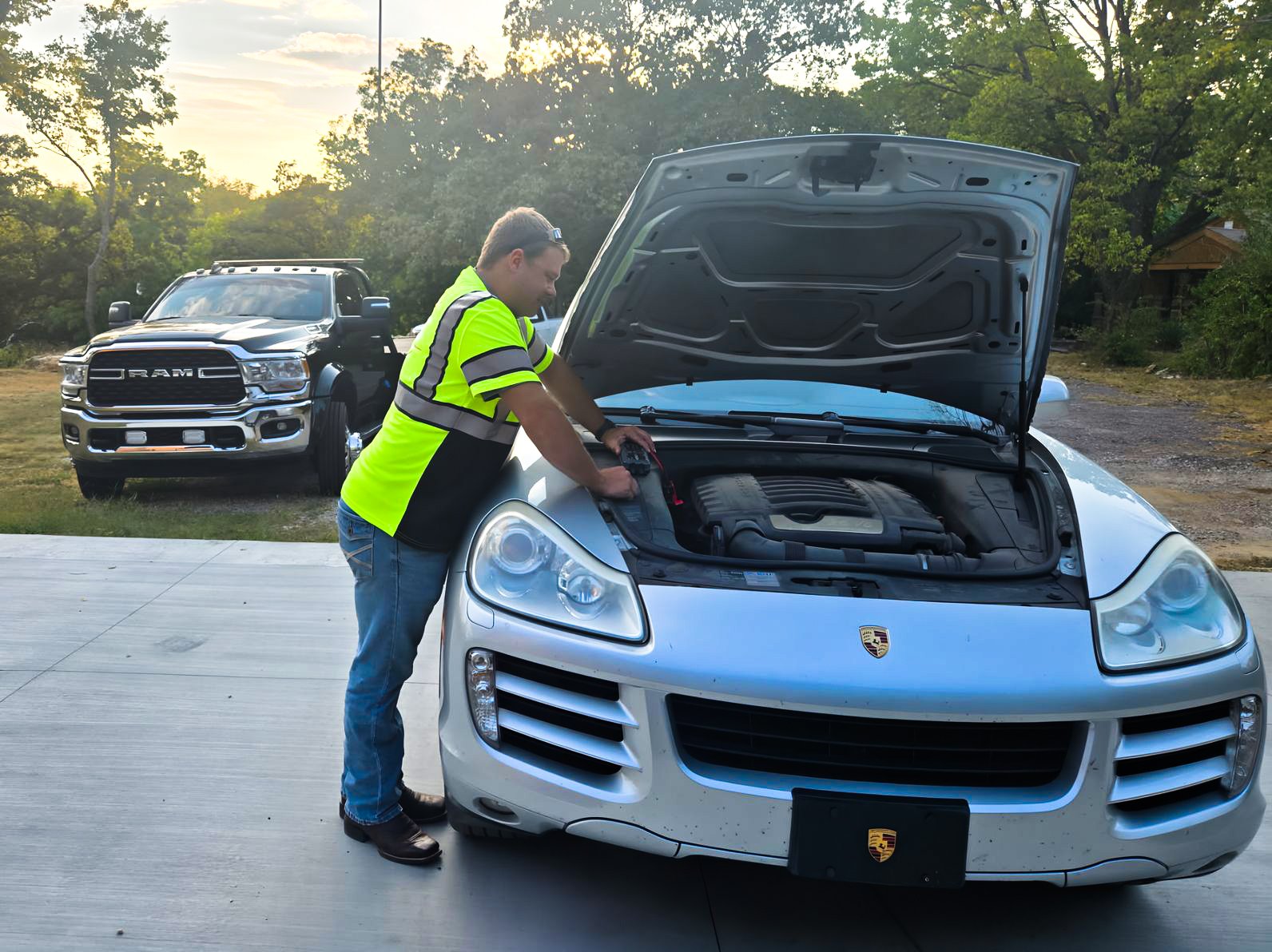
Your car engine is like the heart of your vehicle, and when it starts acting up, panic sets in. But before you assume the worst, it’s important to understand whether your car needs a diagnostic test or a full repair. Many issues seem serious but can be quickly diagnosed and fixed with a professional check-up.
Let’s break down how to tell when you need car engine diagnostics and when a full repair becomes unavoidable.
Why Engine Health Matters
A healthy engine ensures smooth performance, fuel efficiency, and longer vehicle life. Ignoring early warning signs can lead to breakdowns, costly repairs, or even total engine failure. That’s why car repair and maintenance should always start with diagnostics — it’s your vehicle’s early warning system.
What Is Car Engine Diagnostics?
Car diagnostics is a process where advanced tools scan your vehicle’s onboard computer system to detect any issues. Modern vehicles use an OBD-II (On-Board Diagnostics) system that stores error codes when something goes wrong.
These codes point to specific problems like fuel efficiency issues, misfires, or sensor malfunctions — helping technicians find the exact cause without unnecessary disassembly.
How Does a Car Diagnostic Test Work?
When you bring your car for car diagnostics near me, a technician connects a scanner to your vehicle’s OBD port. The tool then retrieves error codes and real-time data about:
- Engine performance
- Air and fuel mixture
- Exhaust emission levels
- Transmission and ignition timing
This data helps professionals pinpoint the problem efficiently.
When Should You Get a Car Diagnostic Test?
You should get a mobile car diagnostics test when:
- The “Check Engine” light turns on
- Your car’s fuel economy suddenly drops
- You hear unusual knocking or rattling sounds
- You experience rough idling or sluggish acceleration
- Your car stalls frequently or struggles to start
These issues don’t always require a major repair — sometimes, a sensor reset or minor adjustment solves the problem.
Common Signs You Need Diagnostics, Not Full Repair
Here are situations where a diagnostic check is your best first step:
- Your car runs but feels “off.”
- There’s no smoke or burning smell.
- Warning lights come on, but performance is mostly fine.
- The noise or vibration is mild.
In most of these cases, diagnostics help locate small issues before they become expensive repairs.
What Issues Can a Diagnostic Test Detect?
A thorough car engine diagnostics session can identify:
- Faulty oxygen sensors
- Worn spark plugs
- Failing catalytic converters
- Fuel injector or ignition coil problems
- Transmission performance errors
- Battery or alternator faults
With accurate diagnostics, you save time and prevent unnecessary part replacements.
What Is a Full Car Repair?
A full car repair involves replacing or restoring major components that are damaged beyond adjustment. Unlike diagnostics, which detect problems, repair addresses them directly through part replacement, mechanical correction, or overhauling systems like the car suspension repair or engine assembly.
When Does a Car Need Full Engine Repair or Replacement?
If diagnostics reveal serious internal damage, a full repair becomes necessary.
Common cases include:
- Persistent oil leaks or engine overheating
- Strange knocking sounds from deep inside the engine
- Blue or black smoke from the exhaust
- Metal shavings found in oil
- The engine won’t start even after diagnostics or resets
These indicate mechanical wear, and only professional repair or replacement can fix them.
Major Symptoms of Engine Trouble That Require Immediate Repair
- Constant overheating despite coolant top-ups
- Severe vibrations or shaking at idle
- Grinding or knocking noises
- Burning oil smell
- Loss of power or acceleration
Ignoring these can cause irreversible damage to your engine.
Car Diagnostics vs. Full Repair – The Key Differences
| Aspect | Diagnostics | Full Repair |
|---|---|---|
| Purpose | Detect issues | Fix or replace damaged components |
| Cost | Lower | Higher |
| Time Required | 30–60 minutes | Several hours to days |
| When Needed | When warning signs appear | When major mechanical faults occur |
| Tools Used | Computer scanners | Mechanical tools, replacement parts |
Benefits of Getting Diagnostics Before Repair
- Saves money – Prevents unnecessary replacements
- Reduces downtime – Pinpoints problems faster
- Improves performance – Keeps your engine tuned
- Prevents bigger repairs – Fix small issues early
Diagnostics act as your car’s health check-up — just like visiting a doctor before surgery.
How Easy Tow Kansas City Offers On-Spot Car Diagnostics
At Easy Tow Kansas City, we bring diagnostics to your doorstep with on-spot car diagnostics and repair service.
Our certified technicians use advanced tools to scan, identify, and fix issues immediately, whether it’s your car suspension, ignition system, or engine electronics.
We specialize in mobile car diagnostics, helping you avoid long shop visits while keeping your car safe and reliable.
How Much Do Diagnostics and Repairs Typically Cost?
- Car Engine Diagnostics: Usually costs between $60–$120, depending on the complexity.
- Minor Repairs: Range between $150–$400.
- Major Engine Repairs or Rebuilds: Can go from $1,500–$4,000+, depending on damage severity.
Getting a diagnostic first ensures you don’t spend more than necessary.
Preventive Maintenance Tips to Avoid Major Repairs
- Get diagnostics every 6–12 months.
- Check oil and coolant regularly.
- Replace air and fuel filters on schedule.
- Never ignore dashboard warning lights.
- Listen for new noises after long drives.
Routine car repair and maintenance keep your vehicle running efficiently for years.
Why You Shouldn’t Ignore Engine Warning Lights
That little orange “Check Engine” light might seem harmless, but it’s your car’s cry for help.
Ignoring it can lead to cascading failures that cost thousands to fix. A simple car engine diagnostics session can tell you exactly what’s wrong before it escalates.
Conclusion: Know When to Diagnose and When to Repair
When your car starts showing signs of trouble, start small, get a diagnostic test. It’s fast, affordable, and may save you from an expensive repair later. But if the issue is mechanical or severe, go for a full repair to protect your investment.
And if you’re in Kansas City, Easy Tow has your back with mobile car diagnostics and reliable on-spot repair services so your car stays healthy, wherever you are.
FAQs
1. What’s the difference between diagnostics and repair?
Diagnostics detect the issue; repairs fix it. Diagnostics identify what’s wrong, while repairs involve part replacement or correction.
2. How often should I get my car engine diagnosed?
At least once a year, or anytime your dashboard lights turn on unexpectedly.
3. Can I drive with the check engine light on?
It depends on the cause. Get a quick diagnostic test to ensure it’s not something serious.
4. Is mobile car diagnostics accurate?
Yes, modern portable scanners provide the same accuracy as shop-grade tools.
5. Can I prevent engine repair with regular diagnostics?
Absolutely! Regular diagnostics catch small problems early, preventing costly breakdowns later.
